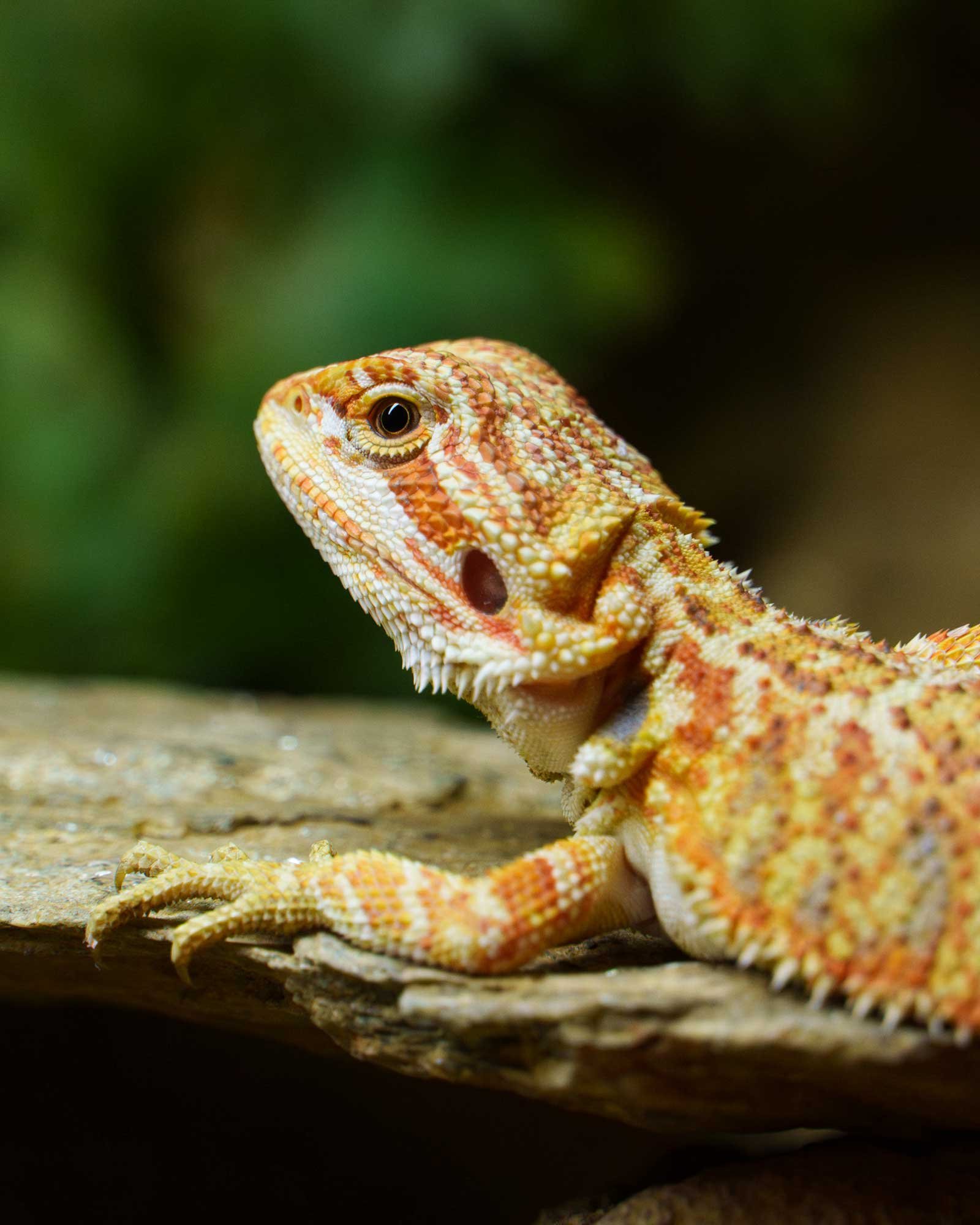
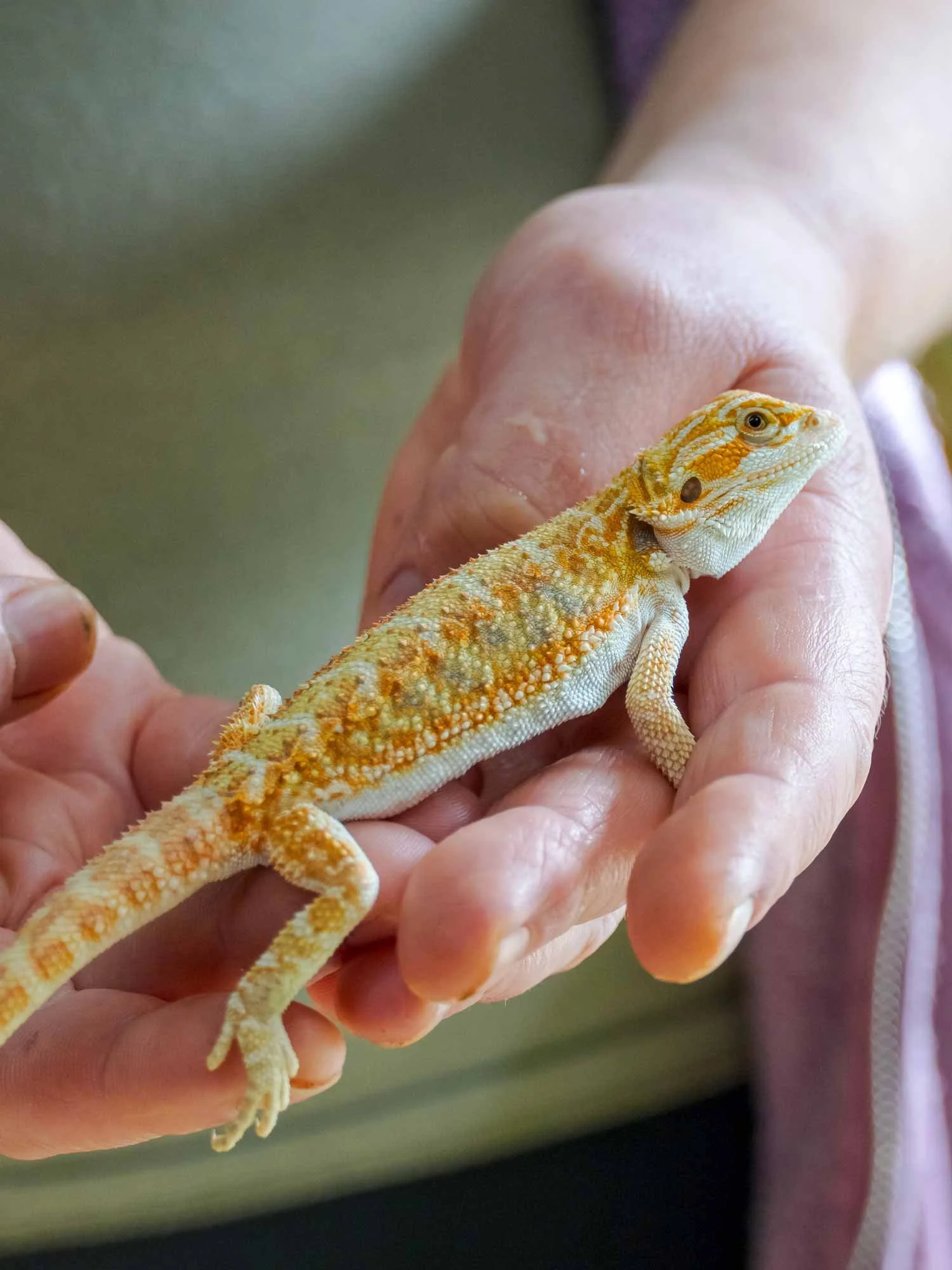
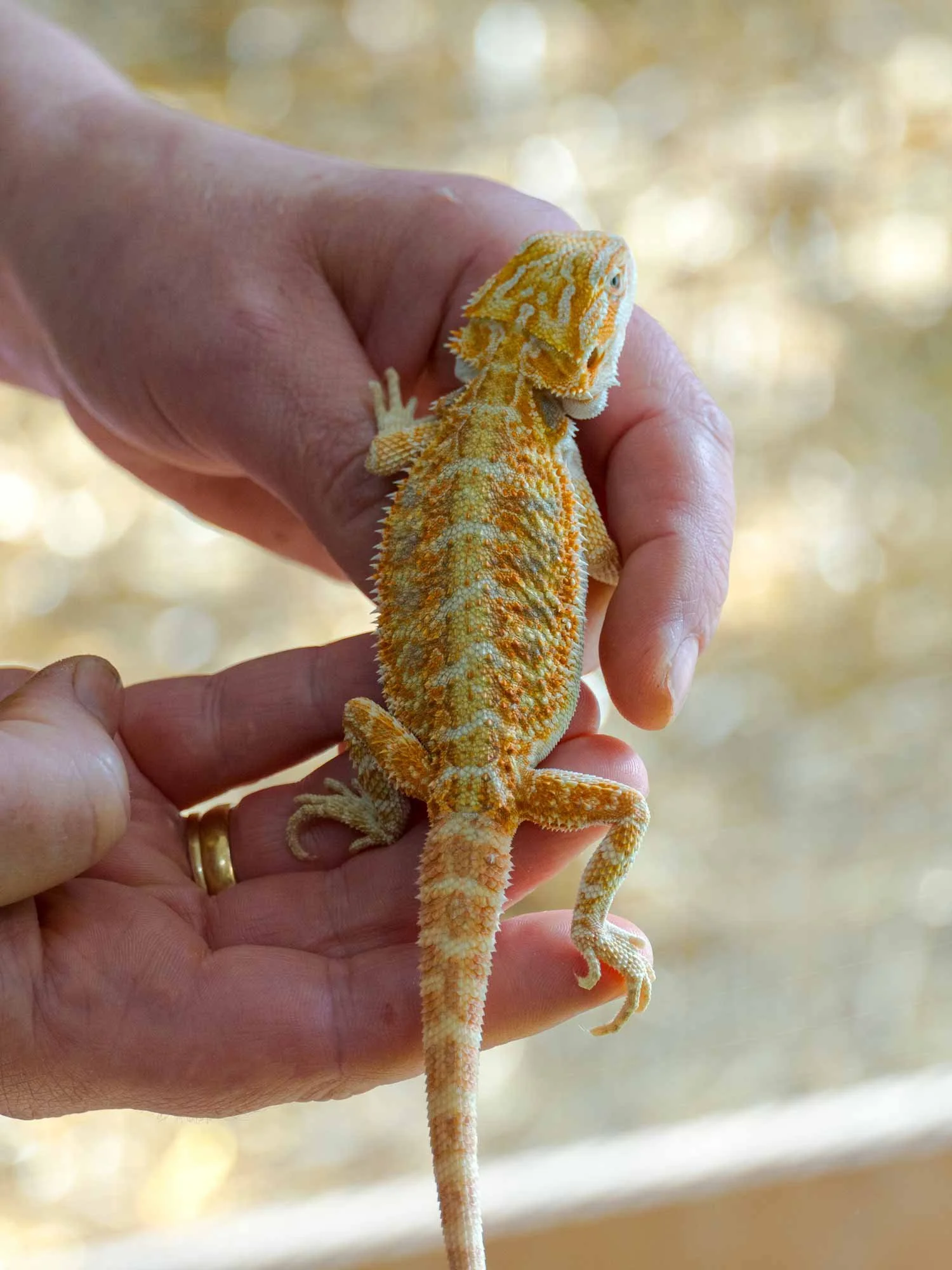
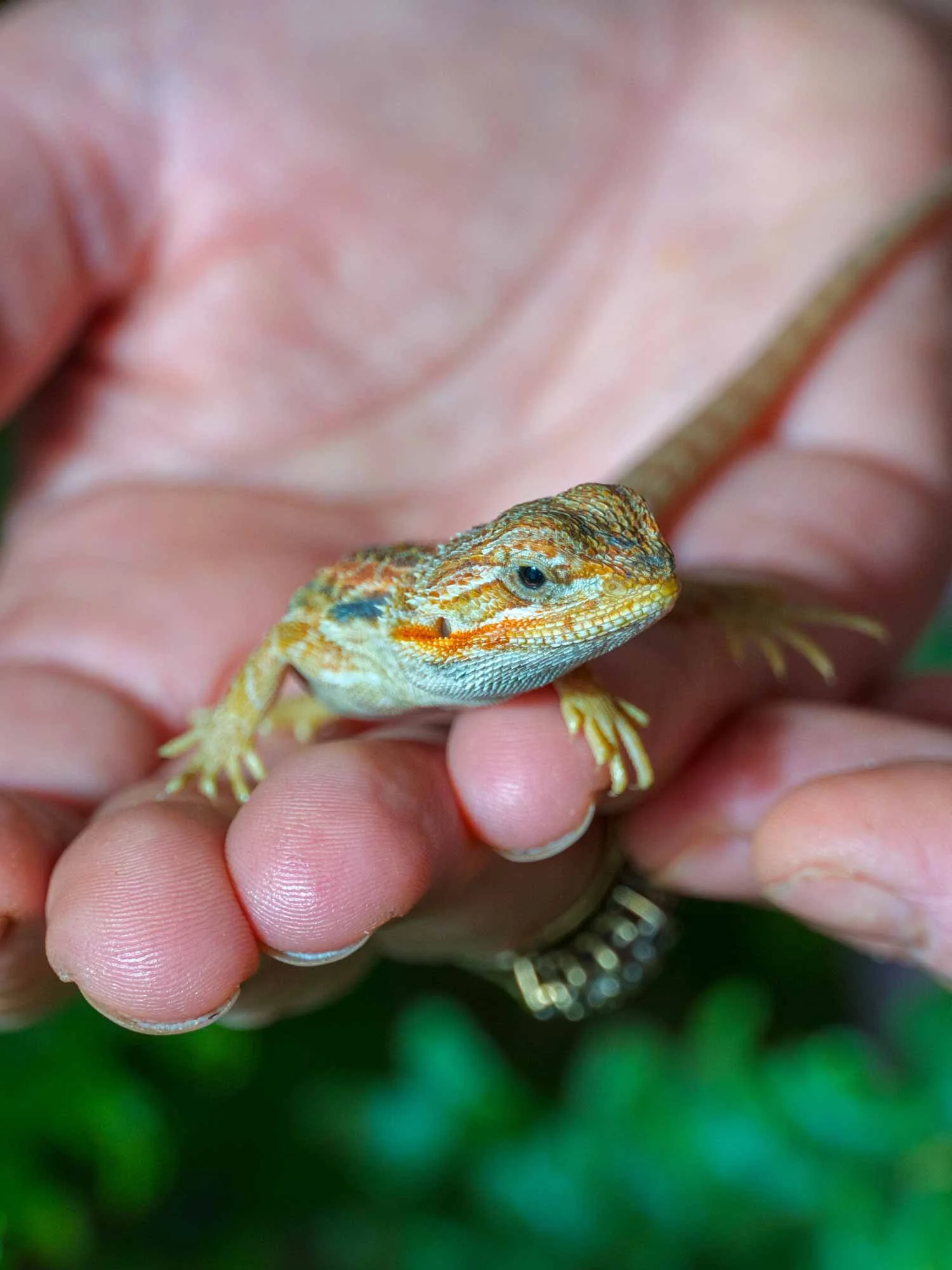
 Image 1 of 3
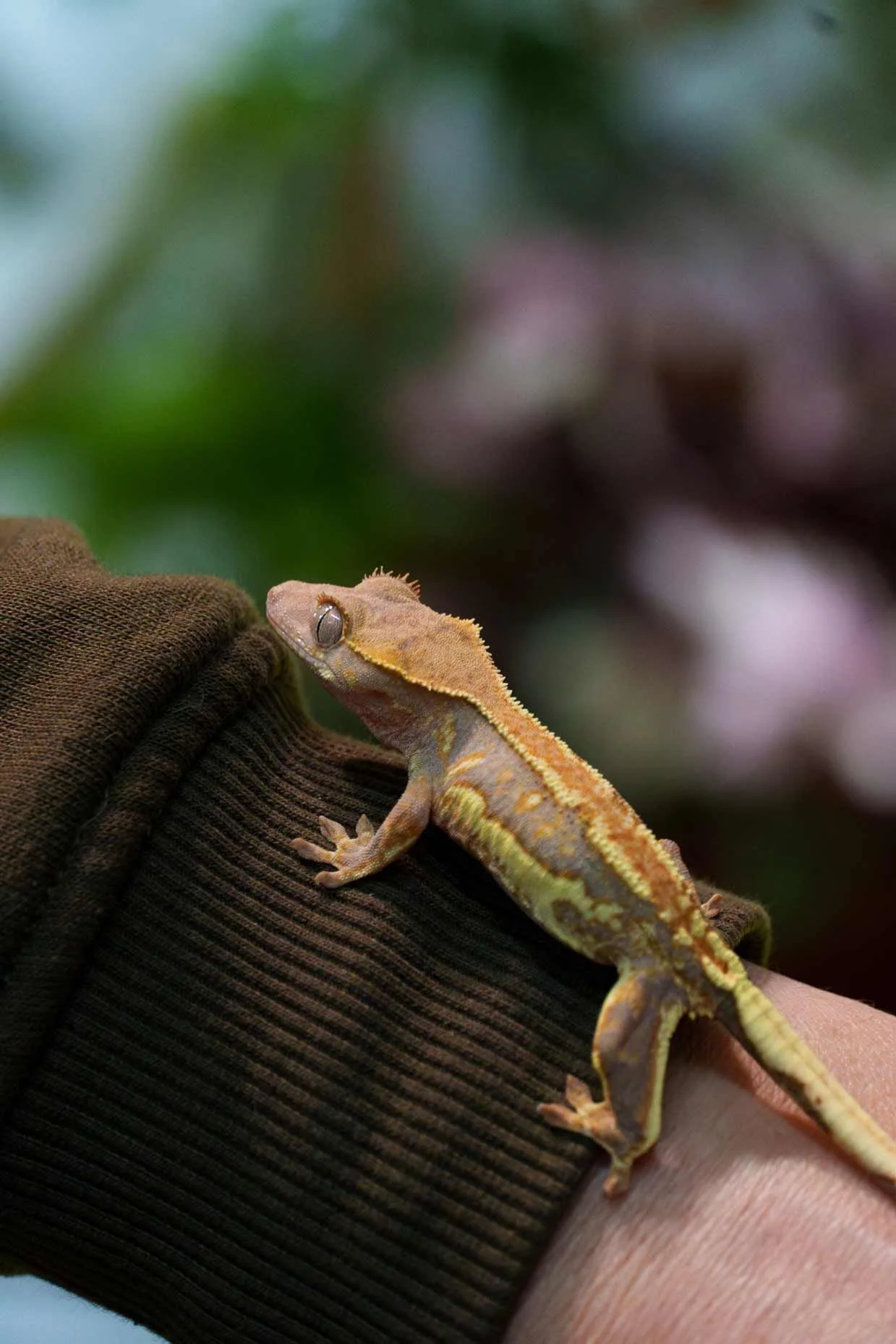 Image 2 of 3
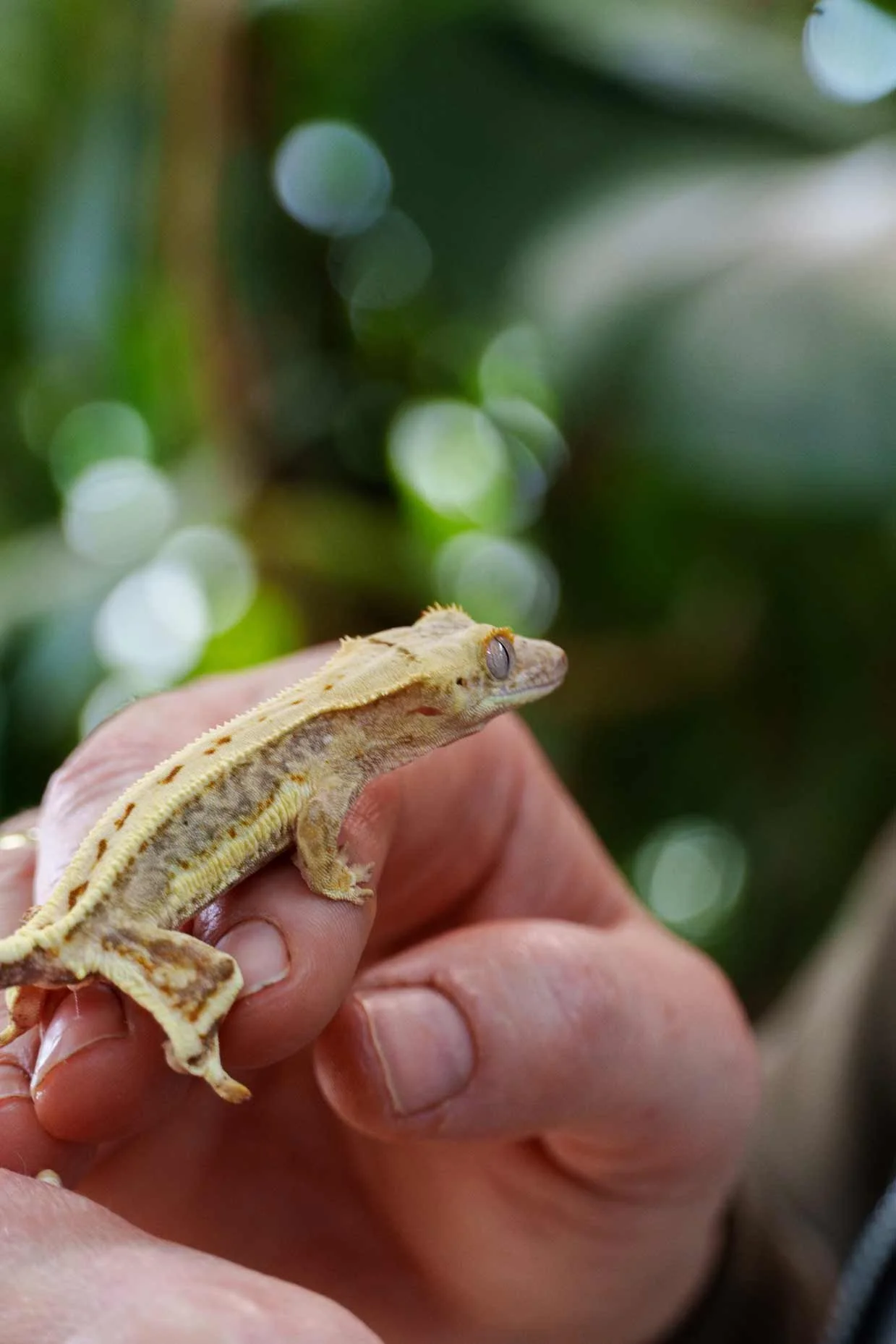 Image 3 of 3
Our animal sales policy
The welfare of our animals always comes first and we reserve the right to refuse a sale of any animal if we cannot be certain it is going to a home where it’s care requirements will be met.
–Buying your setup from us?
No problem – we'll make sure you have everything you need to get started.
–Already have your own setup?
We'll need to see photo proof that it's suitable and correctly prepared (temperatures, equipment) before we sell any animal.
This is to ensure every animal goes to a safe, suitable home where its needs can be properly met.
Our care guide
Overview
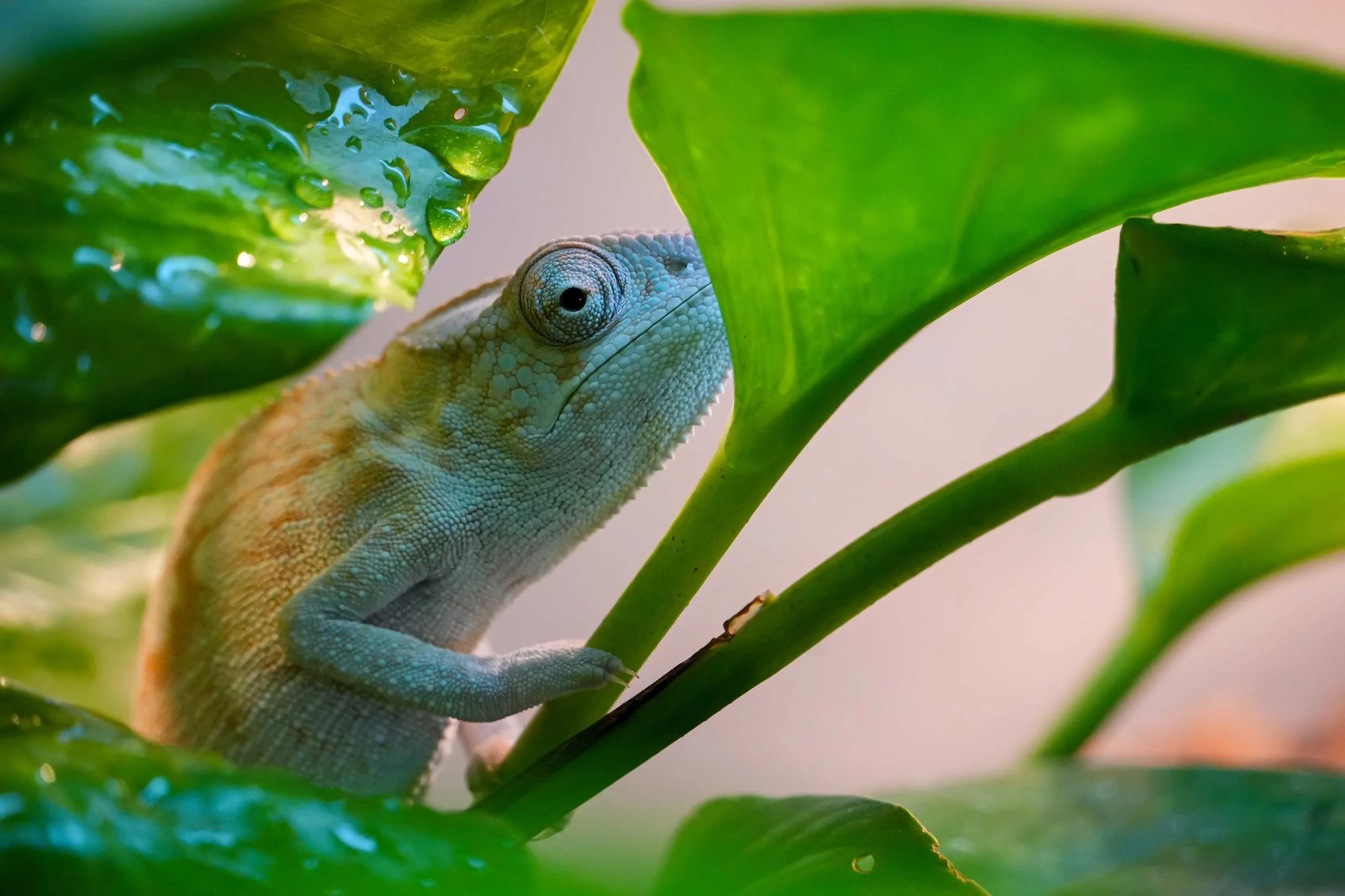
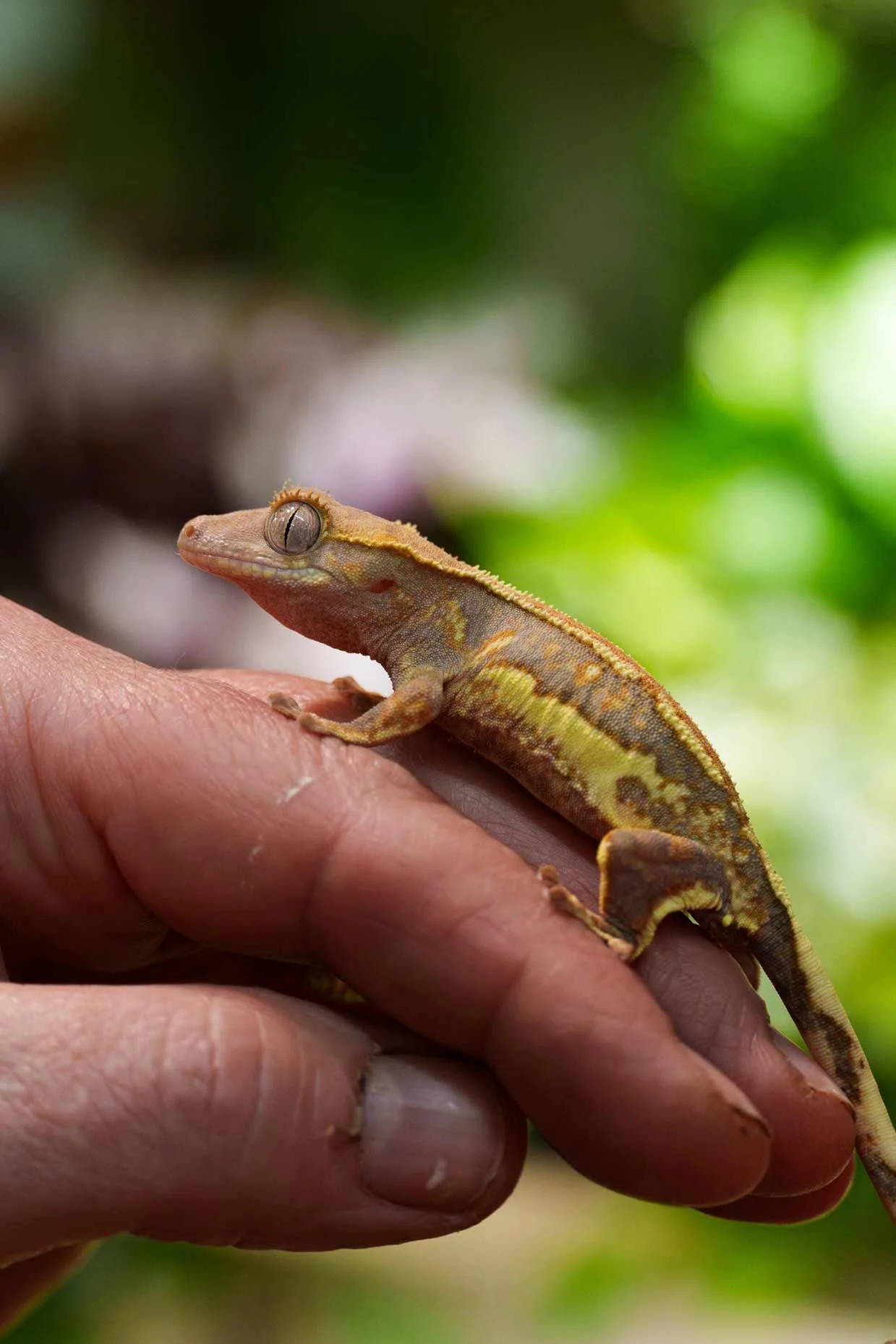
Crested geckos are a crepuscular, arboreal rainforest gecko that are found native to the Island of New Caledonia. They have a few distinctive features, including the spines that run along their back and head, giving the appearance of eyelashes, and their semi-prehensile tail which they use to grip onto branches and vines.
Many morphs are available making them one of the most popular reptiles to keep in captivity!
Equipment
Glass terrarium
Reflective lamp dome
Basking bulb
UVB bulb
Dimming thermostat
Digital thermometer
UV starter controller
Hydrometer
Housing
Depending on the age of the crested gecko you may need a smaller terrarium to start out with, as babies can find it difficult to find food in a enclosure thats too big, as well as requiring higher humidity.
Crests will spend most of the time at the top of the terrarium, so lots of different sized branches vertically placed allowing them to climb. Basking area should be a main large branch.
Temperatures
Important to have a 12 hour day and night cycle. We do 8am-8pm, if you change from this adjust gradually overtime so the animal can adapt.
Day temperature: Hottest area is basking area at 24-26°C (75-79°F).
Thermostat probe and thermometer measures here.
Night Temperature: Drop to 19-20°C
UVB light
All daytime animals require UVB lighting. This plays the role of natural sunlight, allowing calcium and vitamin d3 to be absorbed. UVB light will be on for 12 hours a day as well.
Needs to be a: low Zone 1 UVB.
You should replace the bulb (depending on brand ) normally every 9-12 months. After this time it will not give the correct UV, despite looking like it is working normally.
Substrate and decoration
Coming from a warm, humid, rainforest area it is important for the humidity to be kept at 65-80%, but does need to become dry overnight to prevent mould occurring.
Substrate of choice is Crestie-Life, or Bio-Forest. These are a soil, moss, and loam mix - Ideal to keep high humidity, grow live plants and good aeration for isopods/springtails for a bioactive setup.
Crestie enclosures can have live plants to help maintain the humidity, and make it as natural as possible, with lots to climb. Ask us if you’re wondering which live plants are suitable to use!
Branches should be strategically placed around the terrarium, creating tall climbing structures. Very rarely will they be at the bottom of the terrarium.
Water
We recommend spraying the enclosure once a day, and twice in hotter months.
Only use misters on very large enclosures, and if using make sure to clean every day to prevent bacteria build up within the viv.
Food and diet
As cresties are a nocturnal animal and arboreal, crickets are the favoured choice of live food.
Also require a powder food - there are multiple brands and flavours available. This needs to be changed every 24 hours.
Size of live food needs to be in relation to the age of the crestie, ask us for more on this!
Supplements
All crested geckos in captivity need extra calcium and vitamins, as a powder supplement dusted on live food.
5 days a week: Pure calcium supplement - Calcidust
Twice a week: Vitamin supplement - Nutrabol
Cleaning
Spot clean: Daily. Take out any uneaten live food and animal waste.
Full clean: If bioactive then no need to do this. If not then every 4 weeks take out all substrate and clean terrarium with a reptile safe disinfectant.
Handling
Leave alone for a week to settle into new environment, its a big change for them!
Once settled and they are eating and acting normally, you can begin to get them used to your hands going into the enclosure.
Being nocturnal handling is probably better at night time when they are naturally more active and alert.
As with any animal ensure you wash your hands properly after handling.
Shedding
All crested geckos shed their skin. As babies this is more frequent.
They shed in bits and pieces not all in one piece, and may be more grumpy during shed.
Be sure to give them lots of things to rub against to help get skin off, and DO NOT pull the skin off in any way as this can damage the skin underneath.
Need help getting started?
At The World Of Fish And Pets, we're always happy to help you prepare for your new pets.
Whether you need advice on choosing the right equipment, setting up an enclosure, or understanding your animals care requirements, we are here to help.
Come and visit us in Sheldon, Birmingham, or get in touch.
Contact us:
0121 603 4325
enquiries@theworldoffishandpets.co.uk
Instagram: @The World Of Fish And Pets