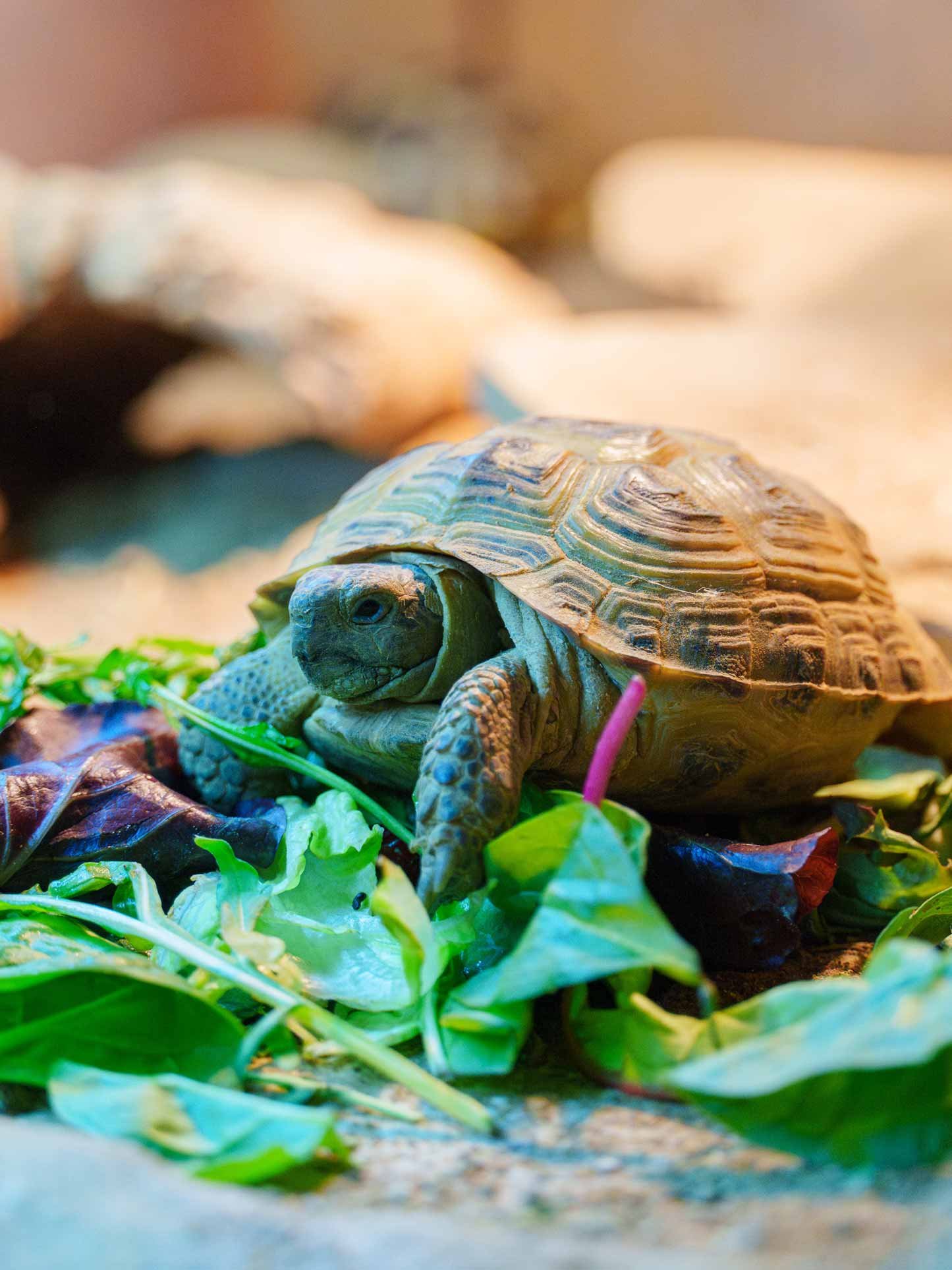
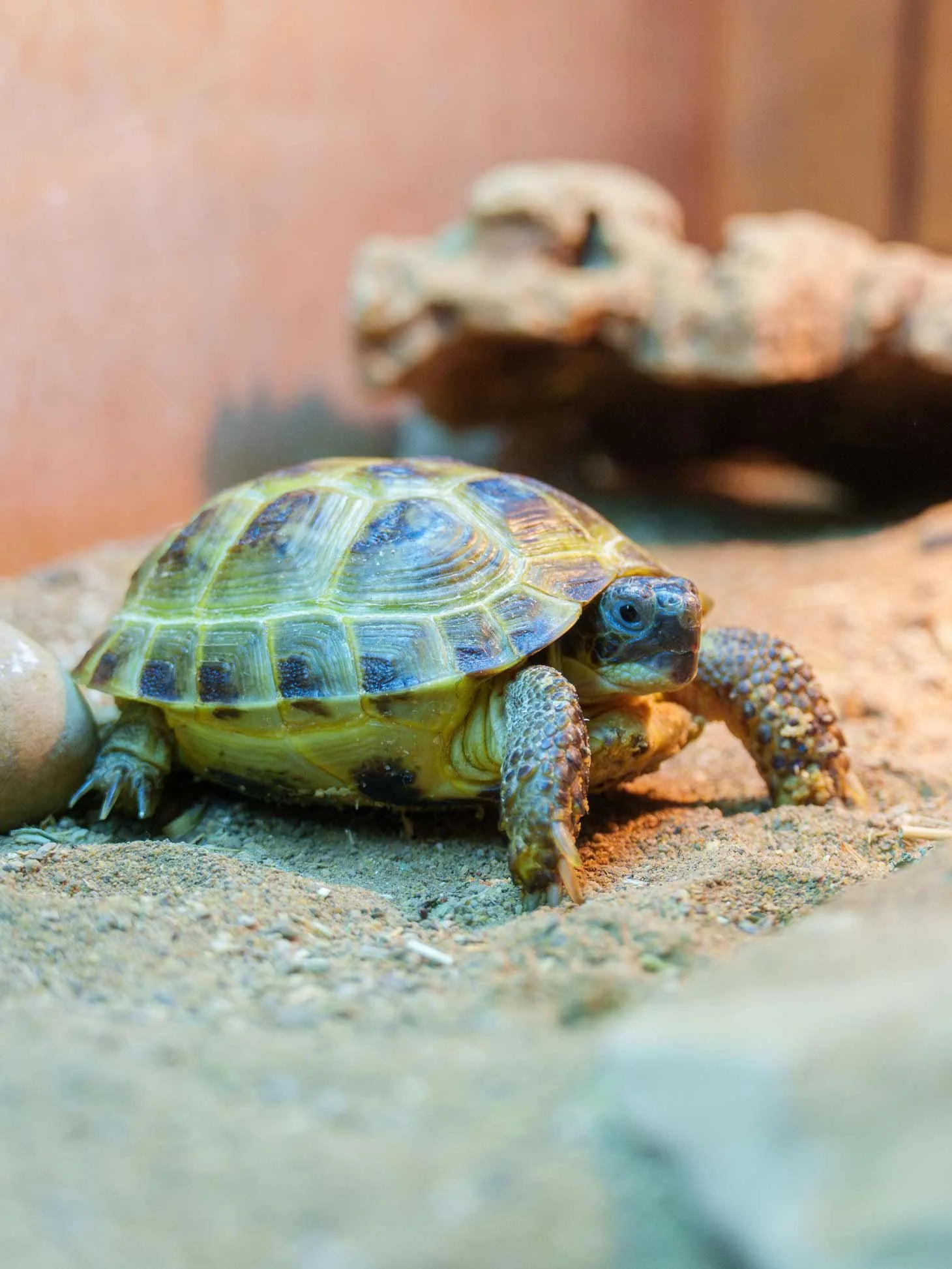
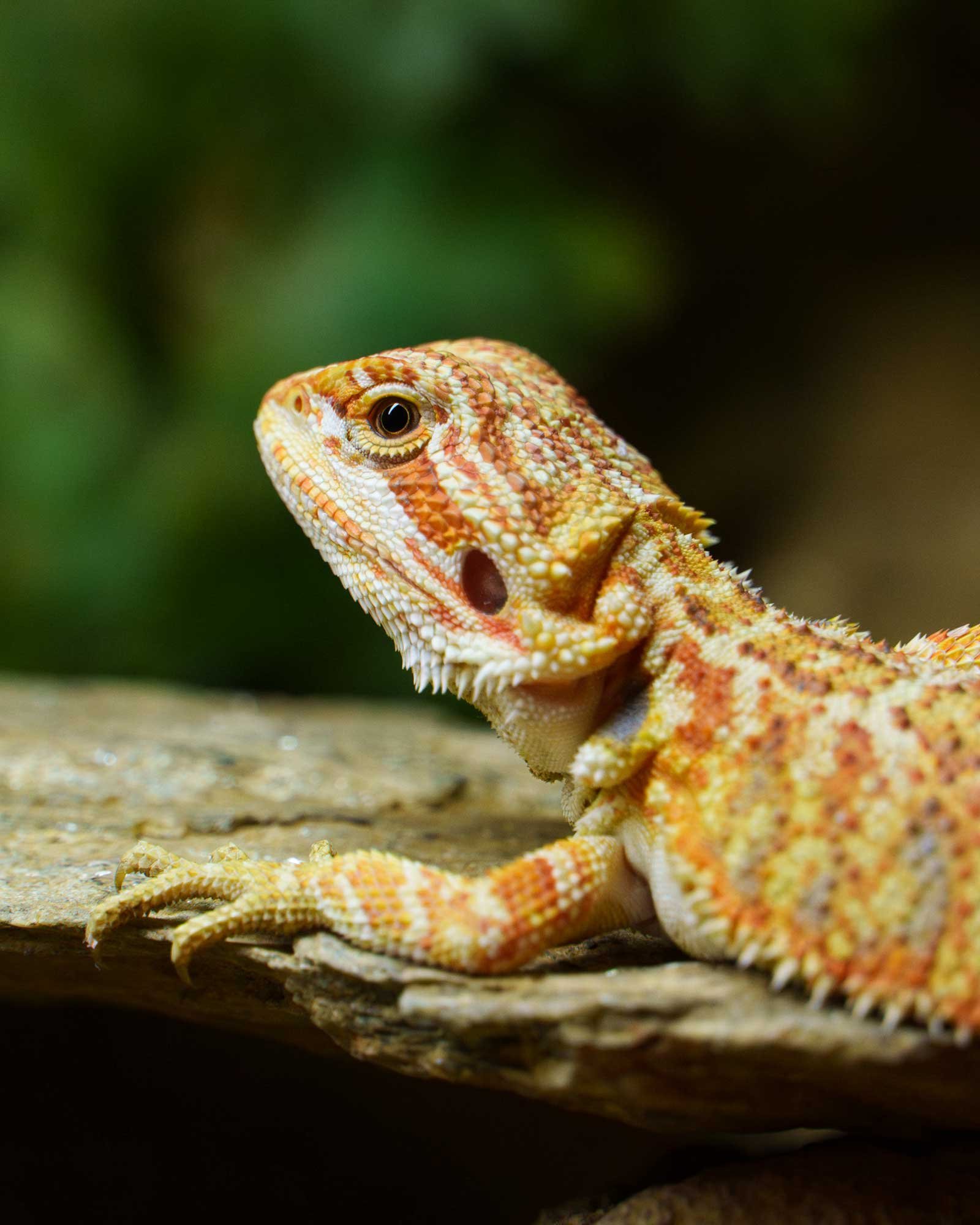
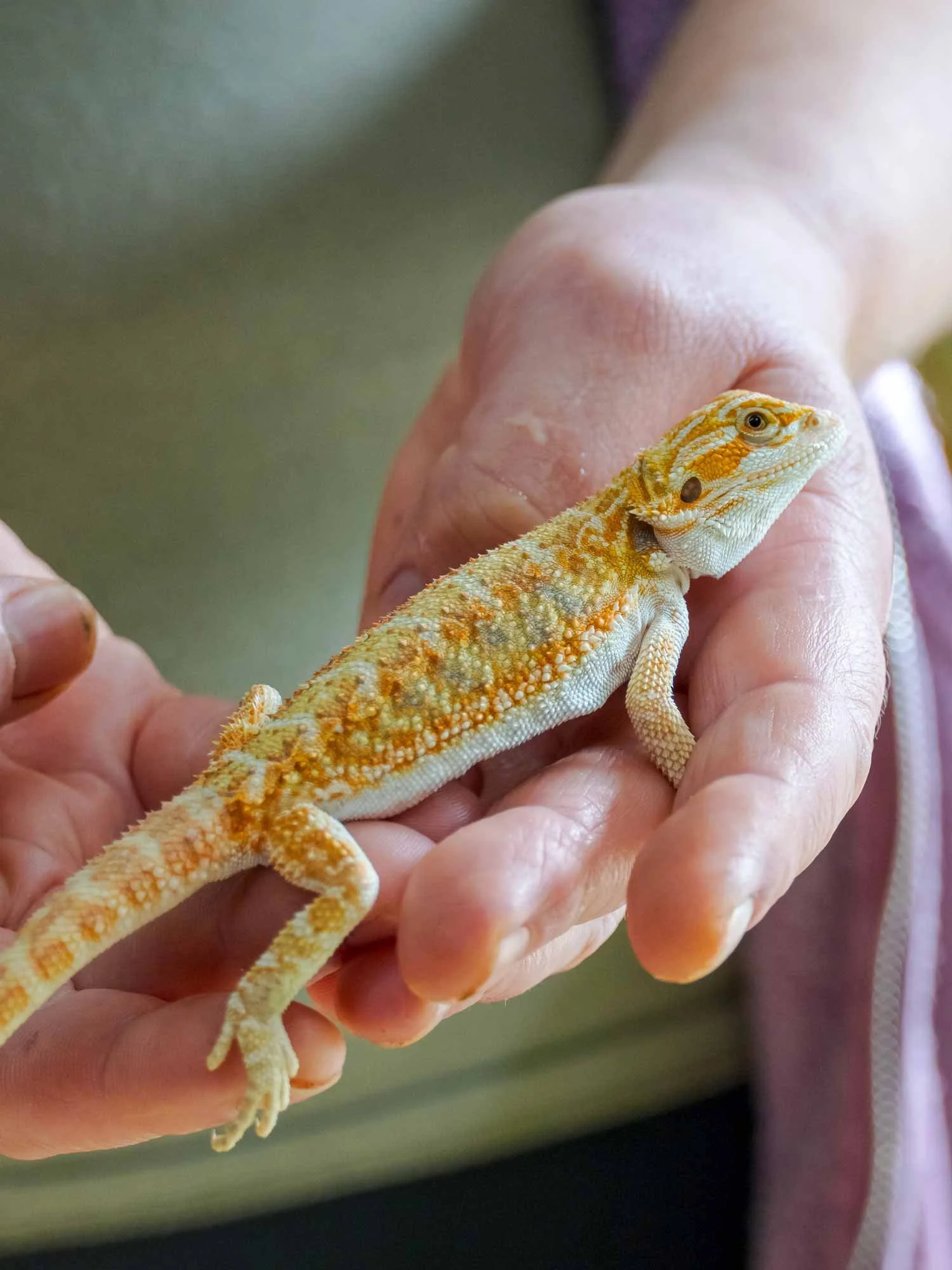
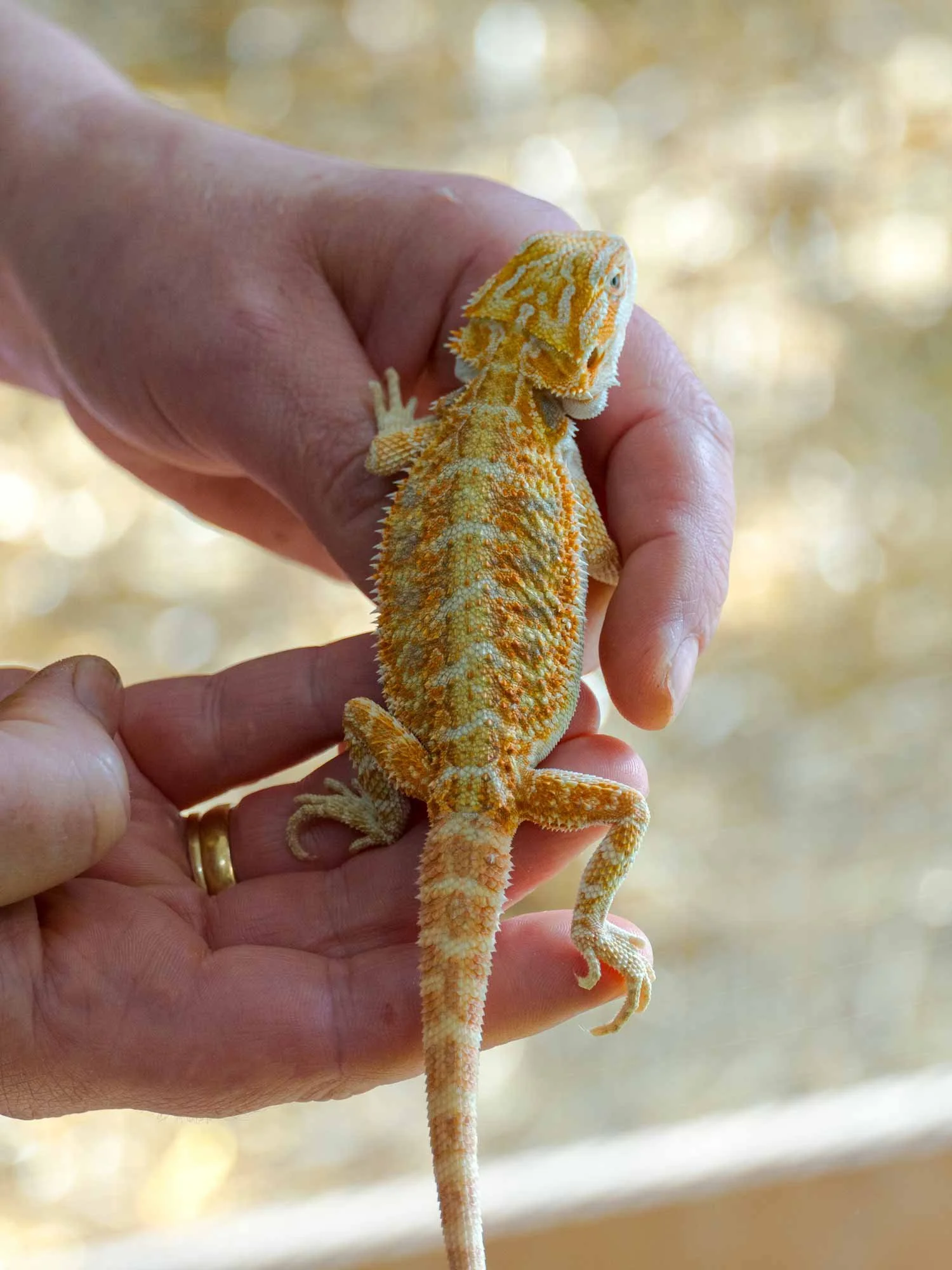
 Image 1 of 4
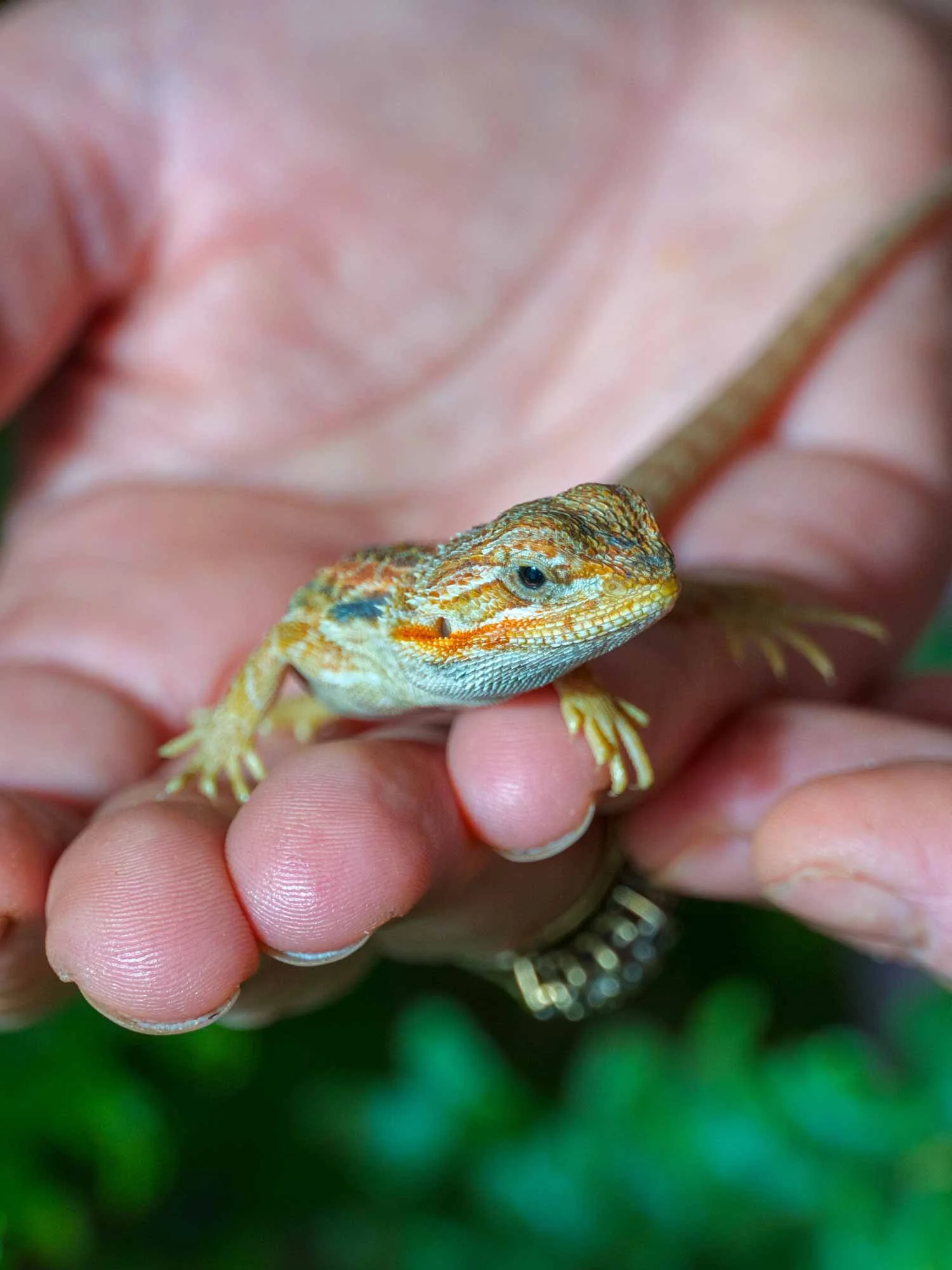
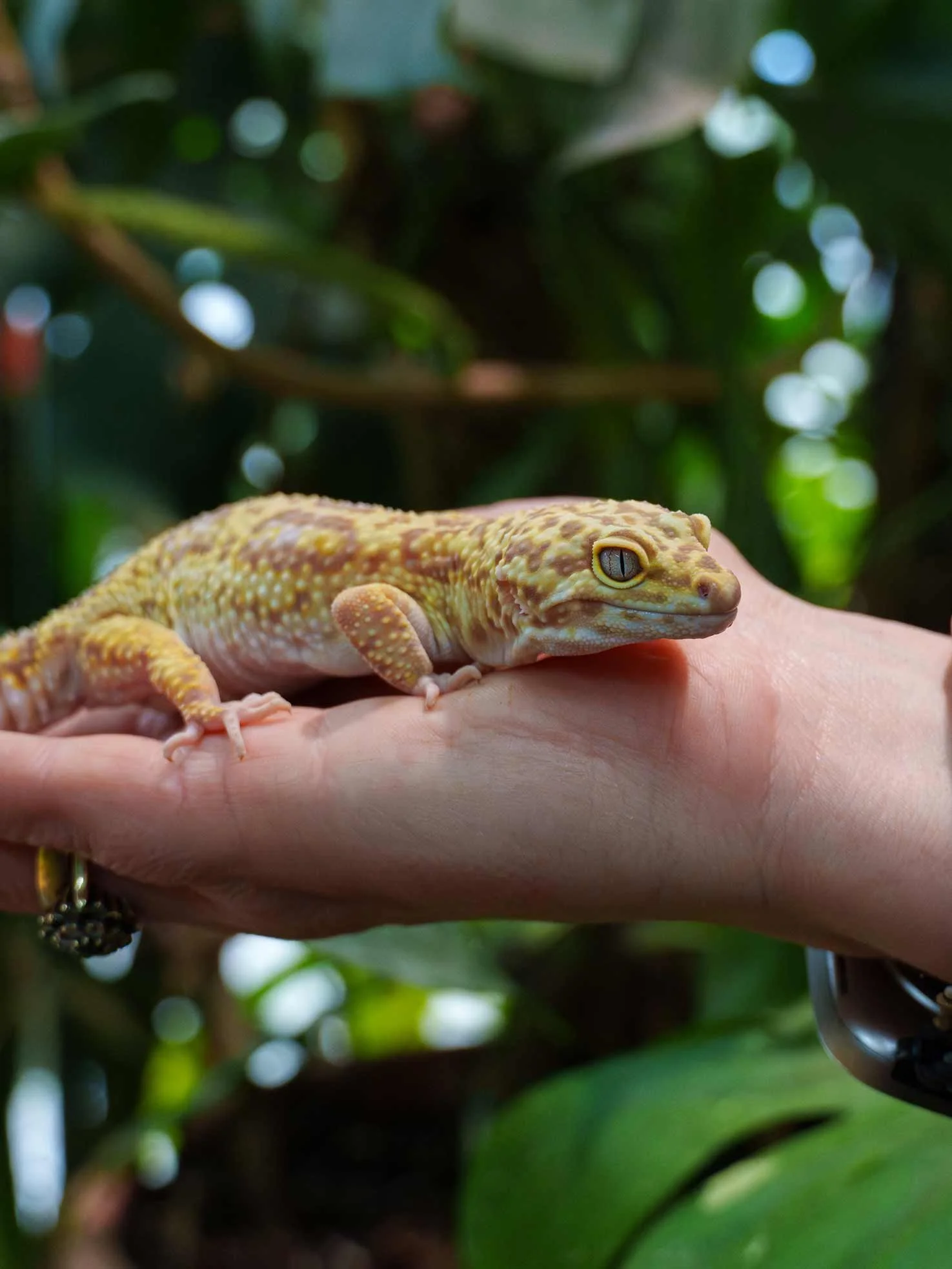 Image 2 of 4
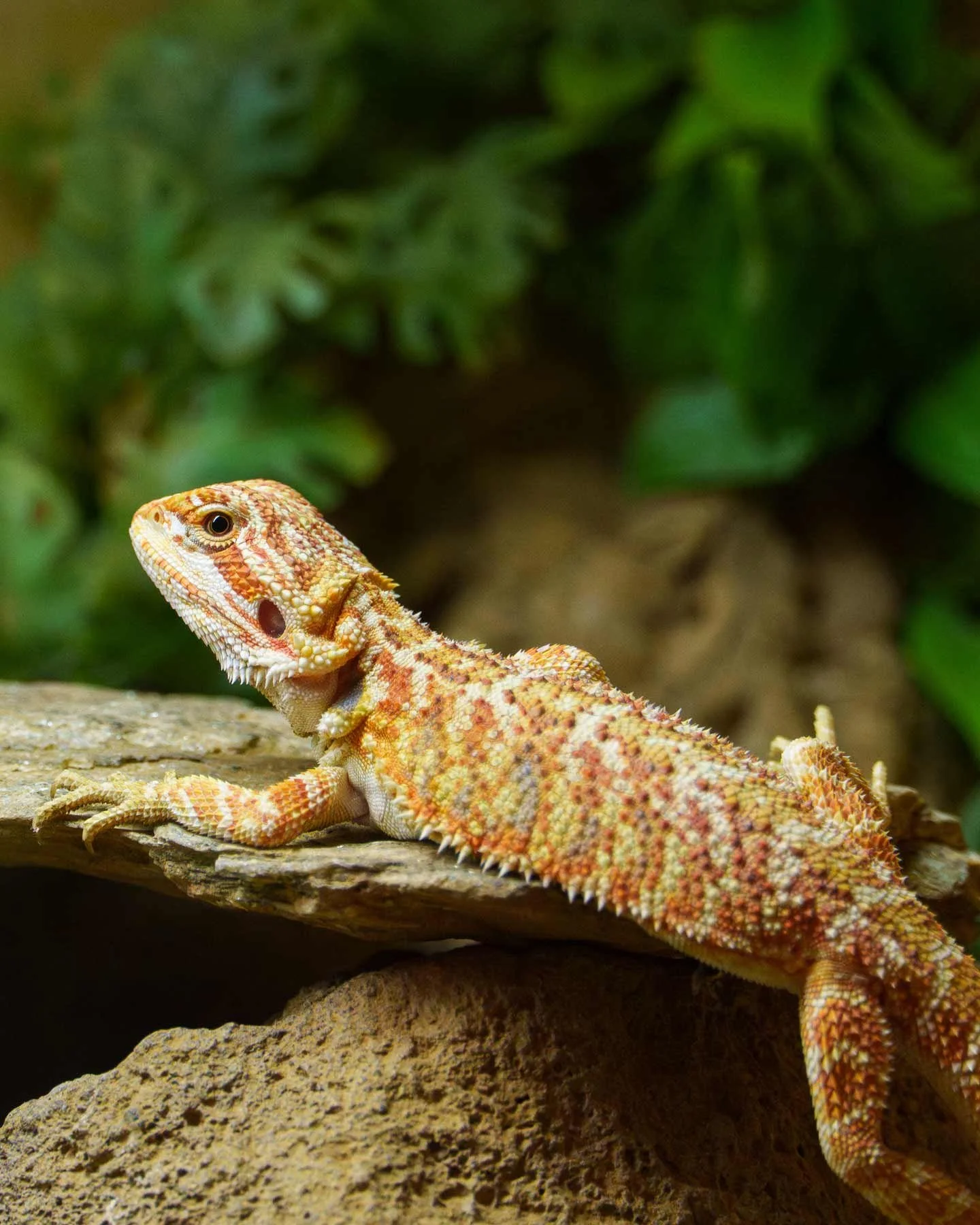
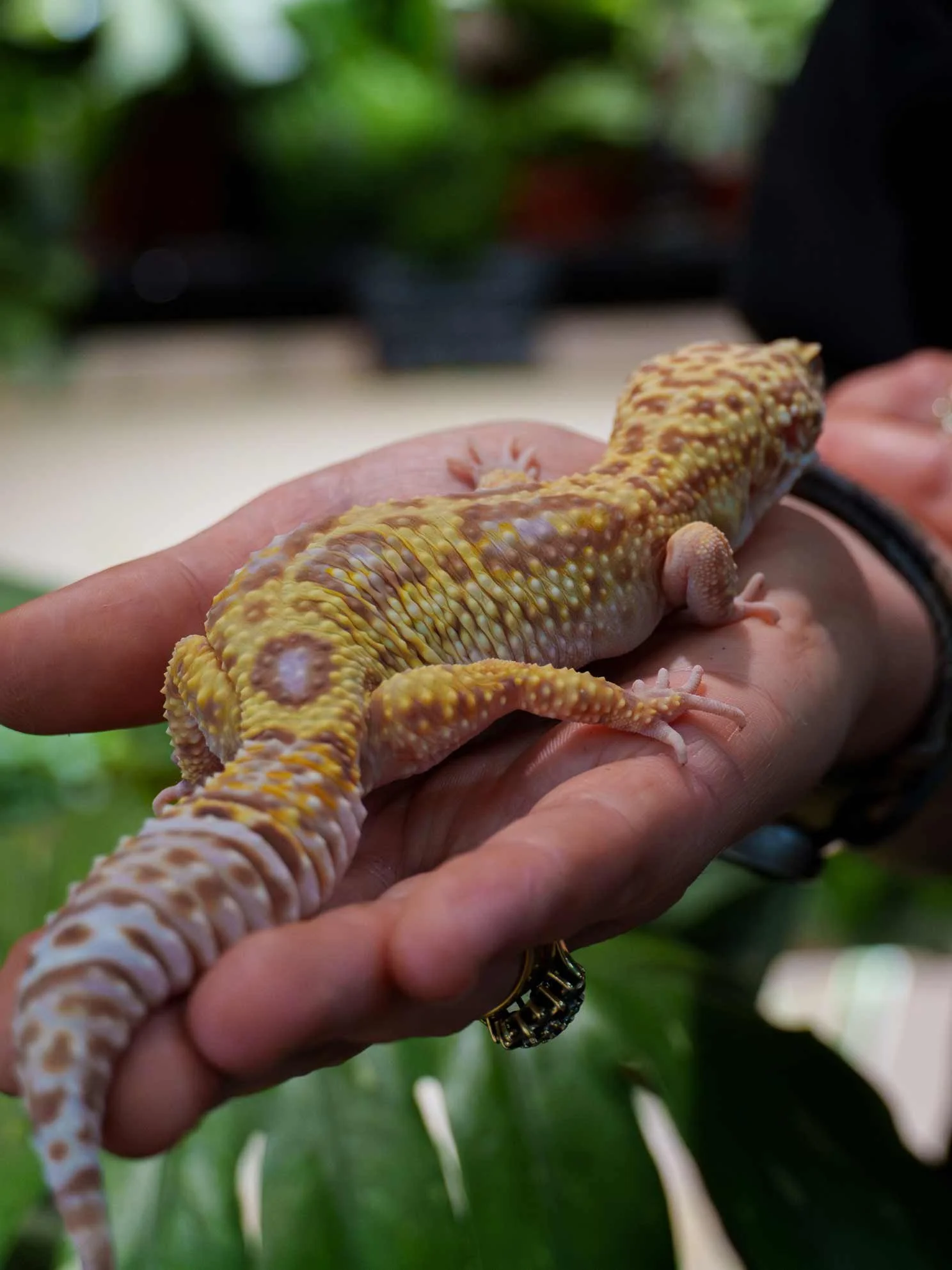 Image 3 of 4
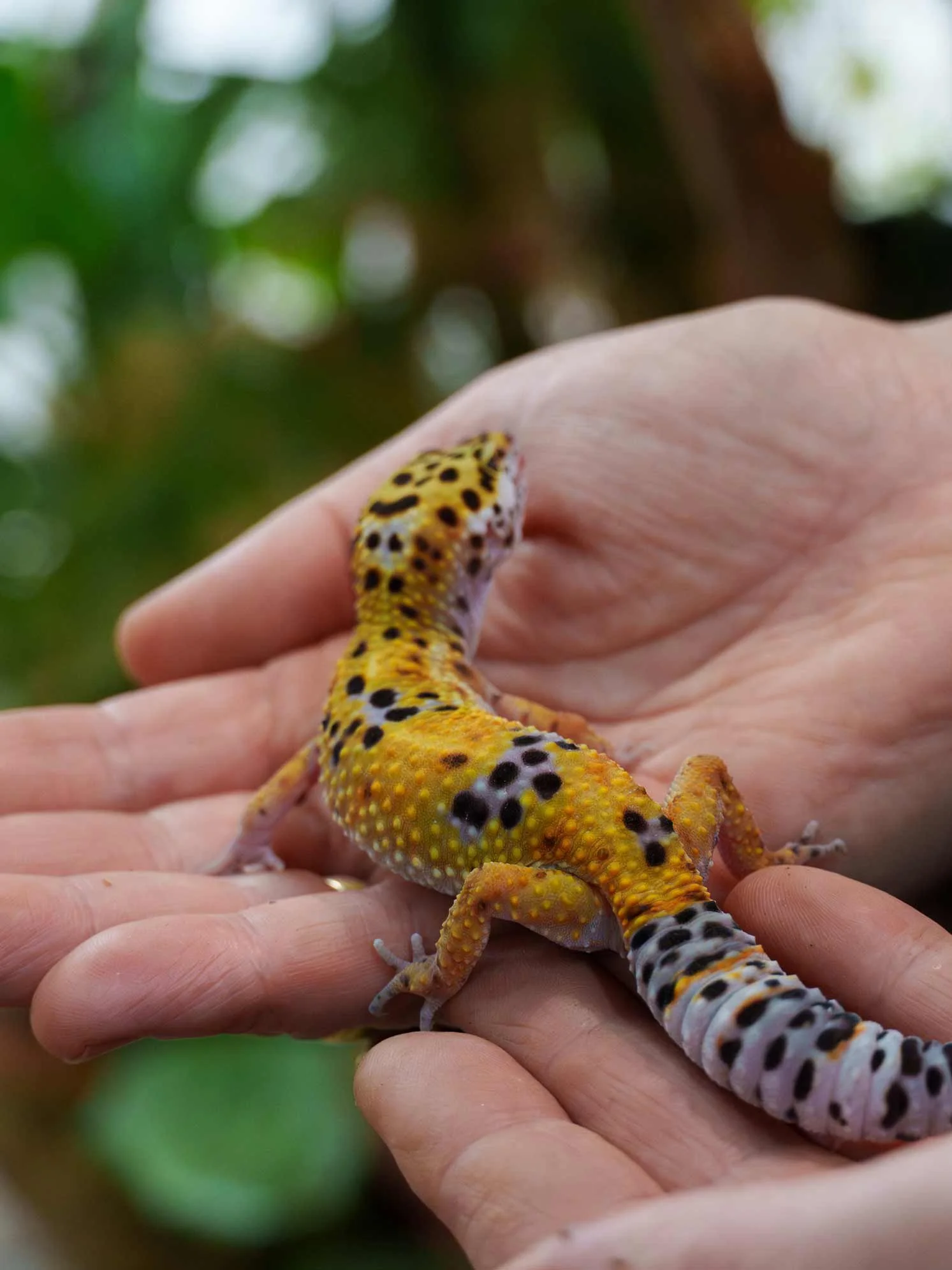 Image 4 of 4
Our animal sales policy
The welfare of our animals always comes first and we reserve the right to refuse a sale of any animal if we cannot be certain it is going to a home where it’s care requirements will be met.
–Buying your setup from us?
No problem – we'll make sure you have everything you need to get started.
–Already have your own setup?
We'll need to see photo proof that it's suitable and correctly prepared (temperatures, equipment) before we sell any animal.
This is to ensure every animal goes to a safe, suitable home where its needs can be properly met.
Our care guide
Overview
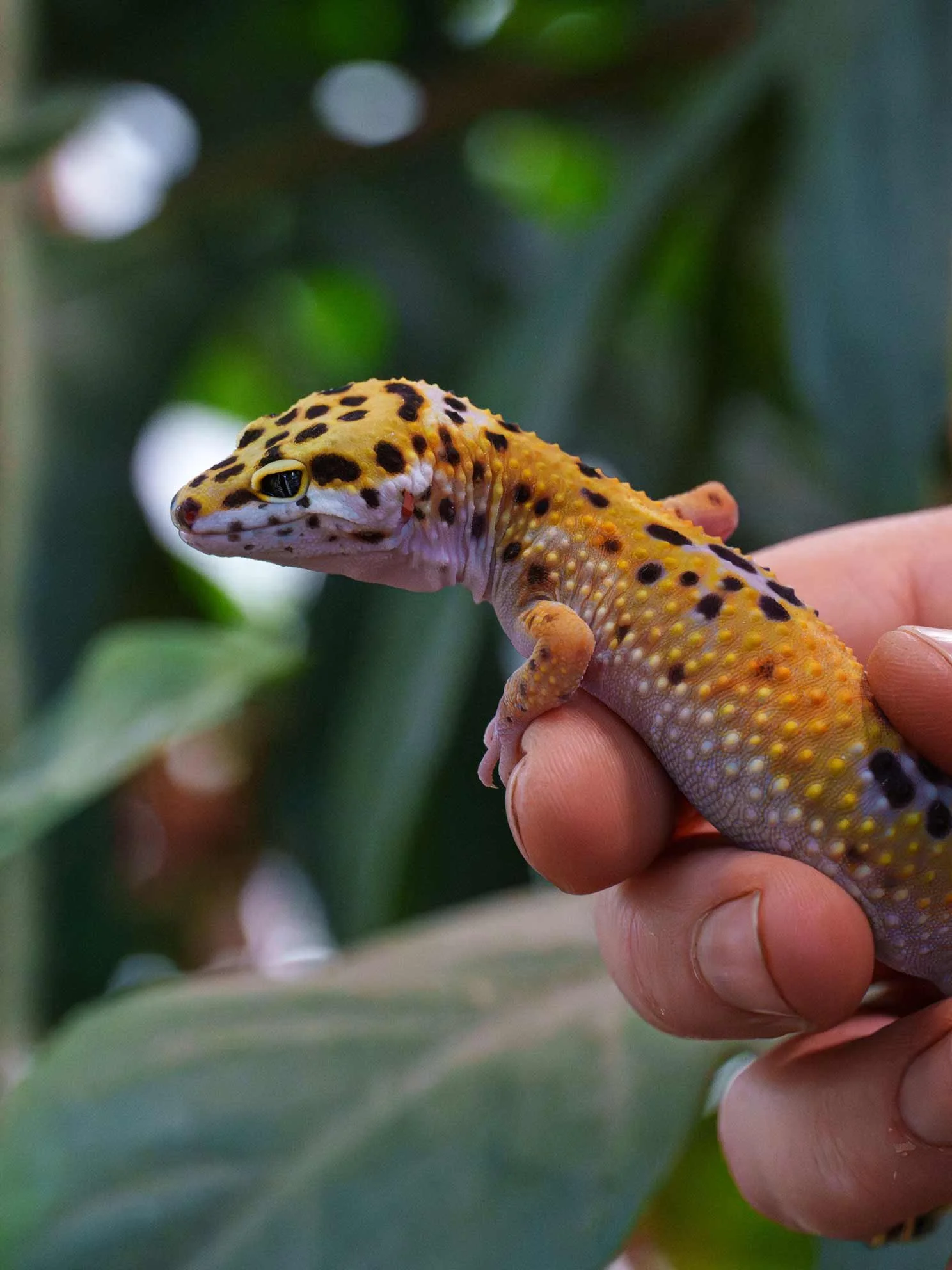
The leopard gecko is a medium sized ground-dwelling lizard native to the rocky dry grassland and desert regions of Afghanistan, Iran, Pakistan, India, and Nepal.
They are one of the most popular captive bred and kept reptiles, and come in a variety of morphs and colours.
Equipment
- 2’ or 3’ wooden vivarium minimum size
- Ceramic light fitting
- Basking bulb
- UVB bulb (recommended)
- Dimming thermostat
- Digital thermometer
- Substrate and decoration
Housing
We recommend a minimum of a 2’ vivarium (for a single animal) to obtain a correct heat gradient of hot and cold, alongside a high temp basking area. However a 3’ vivarium is ideally preferred as the gradient is easier to achieve, alongside additional space for the gecko.
Leopard geckos will spend most their time hiding in the day, so lots of caves and hides are required.
A mossy hide (wet moss) in the cold end helps them with shedding.
The main basking spot should have a large piece of rock, this will be where the highest temperature is (88°F), and where the thermostat probe and thermometer will be placed.
Temperatures
Important to have a 12 hour day and night cycle. We do 8am-8pm, if you change from this adjust gradually overtime so the animal can adapt.
Day temperature: Hottest area is basking area at 88°F. Thermostat probe and thermometer measures here.
Night Temperature: Drop to room temperature. This is fine even in winter and is crucial to allow them to digest food properly.
UVB light
All daytime reptiles require UVB lighting, although geckos are nocturnal it can be beneficial to have a low UVB light on still in the day.
UVB light will be on for 12 hours a day as well.
Needs to be a low percentage or zone 1-2.
You should replace the bulb (depending on brand ) normally every 9-12 months. After this time it will not give the correct UV, despite looking like it is working normally.
Substrate & decoration
Coming from a dry, soily environment it is important that there is hardly any humidity, so correct substrate must be used, with no sand in, as this can be harmful if eaten.
Substrate of choice is, Leo Life - a soil, loam, and peat mix similar to their natural habitat.
This allows them to dig, and holds heat, but does not hold humidity.
Lots of branches, caves, wood logs, and cork bark are great to sit on and rub against. Rock and slate are good for basking areas.
Can use artificial plants, or reptile safe live plants and create a bio-active setup. Ask us if you’re wondering which live plants are suitable to use, we have a wide range!
Water
Small water bowl in the cool end.
Diet
Live food
Crickets and cockroaches are preferred as these are nocturnal, so will come out once the gecko is awake.
Most geckos do enjoy worms too - mealworms, morio worms, wax worms (treat only)
Size of live food needs to be in relation to the age of the gecko, ask us for more on this!
Supplements
All geckos in captivity need extra calcium and vitamins, as a powder supplement, dusted on greens or live food.
5 days a week: Pure calcium supplement - Calcidust
Twice a week: Vitamin supplement - Nutrabol
Cleaning
Spot clean: Daily. Take out any uneaten greens and live food as well as animal waste.
Full clean: Every 4 weeks take out all substrate and clean viv with a reptile safe disinfectant.
Handling
Leave alone for a week to settle into new environment, it’s a big change for them! Once settled and they are eating and acting normally, you can gently handle for a few minutes a day. Slowly build this up over time, but only to how long your gecko is happy out of their enclosure.
You will know when they’ve had enough as they will go cold and be looking to get back to the heat.
As with any animal ensure you wash your hands properly after handling.
Shedding
All geckos shed their skin. As babies this is more frequent and can seem almost constant. They shed in bits and pieces not all in one piece, and may be more grumpy during shed.
Be sure to give them lots of things to rub against to help get skin off, and DO NOT pull the skin off in any way as this can damage the skin underneath.
Make sure the mossy hide is consistently moist for the humidity to help get their shed off.
Need help getting started?
At The World Of Fish And Pets, we're always happy to help you prepare for your new pets.
Whether you need advice on choosing the right equipment, setting up an enclosure, or understanding your animals care requirements, we are here to help.
Come and visit us in Sheldon, Birmingham, or get in touch.
Contact us:
0121 603 4325
enquiries@theworldoffishandpets.co.uk
Instagram: @The World Of Fish And Pets